
When it comes to taking vitamins, timing can make a significant difference in how well your body absorbs them. You might not realize that the type of vitamin influences the best time for consumption. Understanding whether you should take your vitamins in the morning or with meals can enhance their effectiveness. Curious about which vitamins require specific timing and how to maximize their benefits? Let’s explore the details.
Understanding Vitamin Absorption
When you take vitamins, understanding how your body absorbs them is crucial for maximizing their benefits.
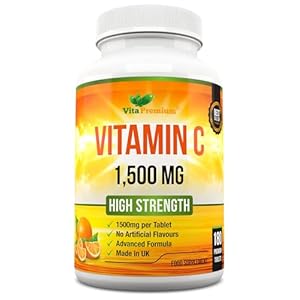
Vitamins can be divided into two categories: water-soluble and fat-soluble. Water-soluble vitamins, like B and C, dissolve in water and are quickly absorbed into your bloodstream. Since your body doesn’t store them, it’s essential to replenish them regularly.
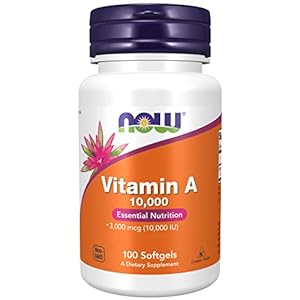
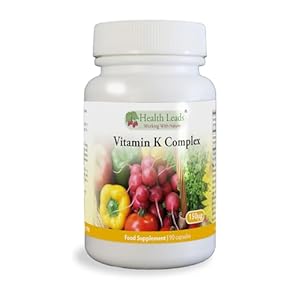
On the other hand, fat-soluble vitamins, such as A, D, E, and K, require dietary fat for absorption. Consuming these vitamins with a meal that contains healthy fats will enhance their uptake.
Additionally, certain factors like age, digestive health, and even timing can influence absorption. By being mindful of these aspects, you can ensure your body gets the most out of the vitamins you take.
Best Times to Take Water-Soluble Vitamins
Taking water-soluble vitamins at the right time can significantly enhance their effectiveness. It’s best to take them in the morning, ideally with breakfast. This timing helps your body absorb these vitamins more efficiently, as food aids in their uptake.
If you prefer, you can also take them mid-morning, but avoid taking them on an empty stomach. Staying hydrated is essential, so drink plenty of water when you take your vitamins.
For those who’ve a busy schedule, consider splitting doses throughout the day, especially if you’re taking higher amounts. Just remember, consistency is key! By establishing a routine, you’ll ensure your body reaps the full benefits of these vital nutrients.
Best Times to Take Fat-Soluble Vitamins
To maximize the absorption of fat-soluble vitamins, it’s crucial to take them with a meal that contains healthy fats. Vitamins A, D, E, and K dissolve in fat, making it essential to pair them with foods like avocados, nuts, or olive oil. This not only enhances absorption but also ensures your body can effectively utilize these nutrients.
The best time to take these vitamins is during or right after a meal, when your stomach is processing fats. For instance, if you have breakfast that includes eggs or a smoothie with nut butter, that’s an ideal time.
Avoid taking them on an empty stomach, as this can significantly reduce their absorption. Remember, consistency is key for optimal benefits!
Tips for Maximizing Vitamin Effectiveness
Maximizing vitamin effectiveness requires attention to timing and lifestyle choices. Start by taking water-soluble vitamins in the morning with a meal to enhance absorption.
For fat-soluble vitamins, pair them with healthy fats, like avocado or olive oil, to boost their effectiveness. Stay hydrated throughout the day, as proper hydration aids nutrient absorption. Avoid taking vitamins on an empty stomach, which can lead to stomach discomfort and reduced absorption.
Additionally, be mindful of interactions; certain foods and medications can hinder vitamin effectiveness. Regularly check expiration dates, as expired vitamins may lose potency.
Lastly, maintain a balanced diet rich in whole foods, as this complements your vitamin intake and supports overall health. Prioritizing these tips will help you maximize the benefits of your vitamins.
Conclusion
In conclusion, timing is key for maximizing vitamin absorption. Take water-soluble vitamins like B and C in the morning with breakfast, and pair fat-soluble vitamins A, D, E, and K with meals that include healthy fats. Staying consistent with your routine and staying hydrated will also enhance their effectiveness. By following these simple guidelines, you can ensure you’re getting the most out of your vitamins for better health and well-being.
Trending Products