
When it comes to brain health and memory, certain vitamins play a vital role in keeping your mind sharp and focused. You might be surprised to learn how essential the B complex vitamins are for cognitive function, but that’s just the beginning. There are also other key nutrients that can significantly impact your mental clarity and mood. Curious about which ones can make a real difference?
Vitamin B Complex: Fuel for Cognitive Function
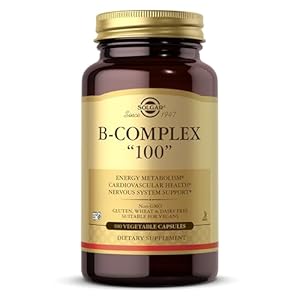
When you think about boosting your brain health, the Vitamin B complex often stands out as a powerful ally. This group of essential vitamins, including B1, B2, B3, B6, B9, and B12, plays a crucial role in maintaining cognitive function.
They help produce neurotransmitters, which are vital for communication between brain cells. B vitamins also support energy production, ensuring your brain has the fuel it needs to function optimally.
By incorporating foods rich in these vitamins, like leafy greens, whole grains, and eggs, you can enhance your memory and concentration.
Omega-3 Fatty Acids: The Brain’s Building Blocks
Although you mightn’t realize it, omega-3 fatty acids are essential for maintaining optimal brain health. These healthy fats play a crucial role in building brain cell membranes and supporting communication between neurons.
When you consume omega-3s, particularly EPA and DHA found in fatty fish like salmon, you’re nourishing your brain and potentially boosting your memory and cognitive function. Research suggests that adequate omega-3 intake may reduce the risk of neurodegenerative diseases and improve mood.
If you want to enhance your brain health, consider incorporating more sources of omega-3s into your diet, such as walnuts, chia seeds, and flaxseeds. Prioritizing these fats can help you maintain sharp mental clarity and overall brain well-being.
Vitamin D: The Sunshine Vitamin for Brain Health
Vitamin D, often referred to as the sunshine vitamin, plays a vital role in brain health, especially when you consider its impact on mood and cognitive function.
Low levels of vitamin D have been linked to an increased risk of mood disorders, including depression. By ensuring you get enough sunlight or through supplementation, you might enhance your overall mental well-being.
Moreover, vitamin D supports neuroplasticity, helping your brain adapt and grow throughout life. It’s crucial for maintaining memory and learning capabilities.
Incorporating foods rich in vitamin D, like fatty fish or fortified dairy products, can also be beneficial. So, whether you soak up the sun or boost your intake through diet, prioritize vitamin D for a sharper, healthier brain.
Antioxidants: Protecting Your Brain From Oxidative Stress
Antioxidants act like your brain’s defense squad, combating oxidative stress that can damage cells and contribute to cognitive decline.
These powerful compounds neutralize free radicals, which are unstable molecules that can wreak havoc on your brain’s health. By incorporating antioxidant-rich foods like berries, dark chocolate, and leafy greens into your diet, you can help safeguard your cognitive function.
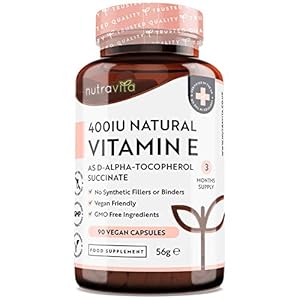
Vitamins C and E are particularly effective, as they support brain health and may enhance memory. Plus, they promote healthy blood flow, ensuring your brain gets the oxygen it needs.
Don’t underestimate the impact of antioxidants; they play a crucial role in maintaining your brain’s vitality and clarity as you age.
Prioritize these nutrients for optimal brain protection.
Conclusion
To boost your brain health and memory, focus on incorporating a variety of essential vitamins and nutrients into your diet. The B complex vitamins fuel cognitive function, while omega-3 fatty acids support neuron communication. Don’t forget the importance of vitamin D for mood and neuroplasticity, along with antioxidants like vitamins C and E to protect your brain from oxidative stress. By making these dietary changes, you can enhance your cognitive abilities and support overall brain health.
Trending Products